Beginner’s Guide to AI Search Optimization – Everything You Need…
Beginner’s Guide to AI Search Optimization – Everything You Need to Know

SEO Meta Information
Meta Description
Master AI search optimization to get your brand cited in ChatGPT, Gemini, and AI Overviews. Learn the essential strategies for modern search visibility.
Focus Keyword
Primary: AI search optimization
Secondary: Generative Engine Optimization (GEO), AI search visibility, AI-generated responses, search engine ranking strategies
LSI Keywords: Large Language Models (LLMs), semantic search, featured snippets, E-E-A-T, citation mechanics, zero-click searches
Target Search Intent
Informational: The user is seeking to understand how the shift toward AI-driven search engines impacts their current SEO strategy and how to adapt for future visibility.
Featured Snippet Optimization
Quick Answer: AI search optimization is the practice of adapting content to be surfaced, cited, and recommended by AI engines like ChatGPT, Gemini, and Google AI Overviews. Unlike traditional SEO, which targets link clicks, AI search optimization focuses on earning visibility and authority directly within AI-generated answers.
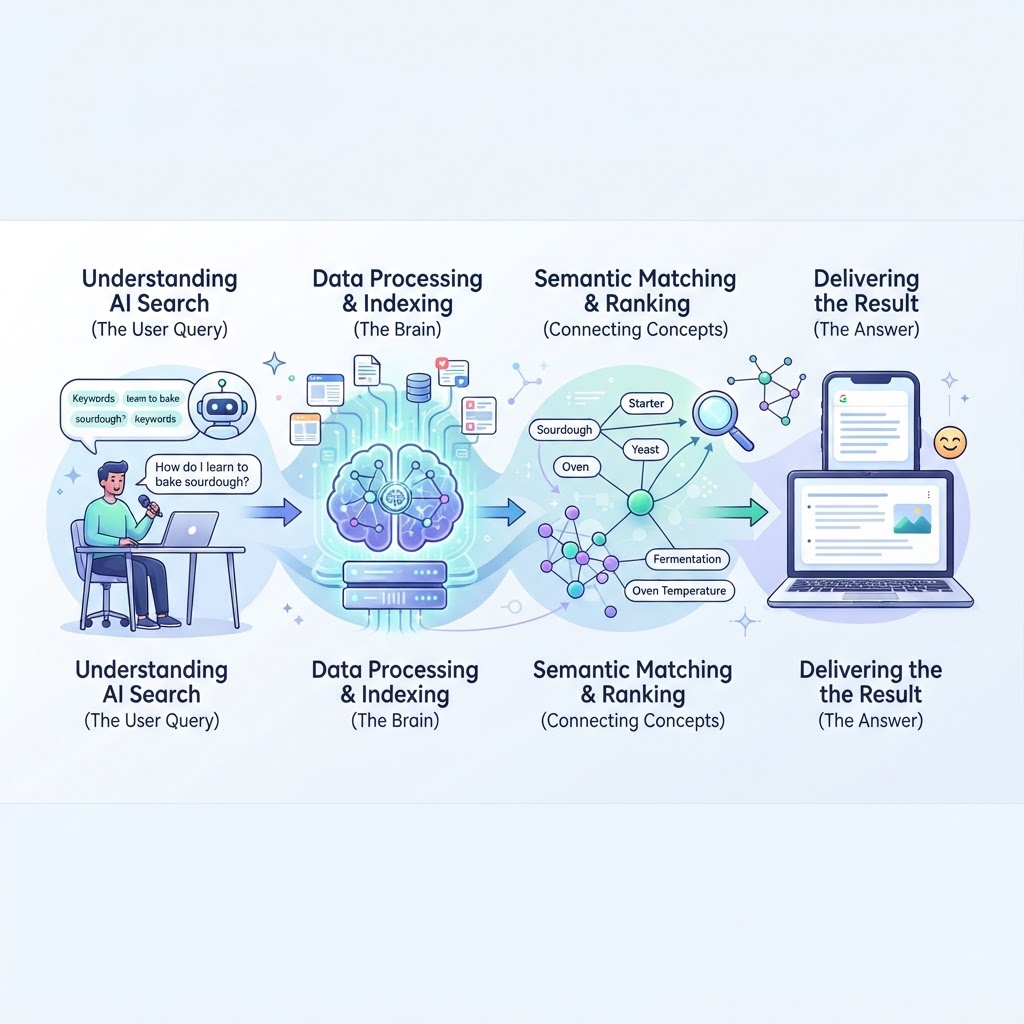
Table of Contents
- What is AI Search Optimization?
- Why Traditional SEO Isn’t Enough
- Key Strategies for AI Visibility
- Technical Best Practices for AI Crawlers
- Frequently Asked Questions
What is AI Search Optimization?
AI search optimization is the process of refining your website and content to appear within the responses generated by AI-powered search engines and agents [5]. As users increasingly turn to tools like Perplexity, ChatGPT, and Google AI Overviews, the goal has shifted from simply ranking a blue link to becoming a trusted source cited within the AI’s answer [3].
Understanding the Shift to Answer Engines
Modern search is evolving into an answer-first ecosystem. When a user asks a complex question, AI models synthesize information from multiple sources to provide a direct response. To succeed, your content must be structured to be easily parsed by Large Language Models (LLMs) [9]. Key elements include:
- Semantic relevance: Aligning content with user intent rather than just keywords.
- Authoritative E-E-A-T: Demonstrating Experience, Expertise, Authoritativeness, and Trust [8].
- Clear, concise formatting: Using structured data to help AI identify key facts.
Why Traditional SEO Isn’t Enough
Traditional SEO focuses on driving traffic through clicks on search engine results pages (SERPs). However, the rise of zero-click searches means users often find the information they need without ever leaving the search interface [4]. If your brand isn’t cited in the AI response, you effectively become invisible to that user.
“AI SEO Optimization optimizes for citation and mention inside AI-generated responses. Unlike traditional SEO, which targets ranked links, AI Search Optimization targets inclusion inside the answer itself.” — AI Search Optimization Guide [3]
The Impact of Zero-Click Searches
- Visibility over Traffic: Brands must prioritize being the “source of truth” for AI models.
- Citation Mechanics: Understanding that 82% of Perplexity citations come from Google’s Top 10 results highlights the need to maintain strong traditional SEO foundations [7].
- Content Depth: AI models favor comprehensive, authoritative content that answers the “who, what, where, and why” of a topic [8].
Key Strategies for AI Visibility
To improve your AI search visibility, you must bridge the gap between human-readable content and machine-understandable data. The following table compares traditional SEO focus areas with modern AI-driven requirements.
| Feature | Traditional SEO | AI Search Optimization |
|---|---|---|
| Primary Goal | Click-through rate (CTR) | Citation and brand mention |
| Content Style | Keyword-optimized | Authoritative & Semantic |
| Success Metric | Organic traffic | AI engine mentions/citations |
Technical Best Practices for AI Crawlers
Technical excellence remains the backbone of any AI search optimization strategy. AI crawlers and agents require clean, fast, and well-structured data to process your content effectively [9].
💡 Pro Tip:
Implement Schema markup (specifically FAQ and Article schemas) to provide explicit context to AI models. This helps the AI understand the relationship between your content and the user’s query, increasing the likelihood of being cited as a primary source.
Frequently Asked Questions
Is AI search optimization replacing traditional SEO?
No, it is an evolution. Traditional SEO remains critical because AI models often rely on high-ranking, authoritative content to generate their answers. You need both to maintain a competitive edge [4].
How can I track my AI search visibility?
Tracking involves monitoring brand mentions within AI tools and using specialized analytics to see if your content is being cited in AI-generated responses. Focus on “share of voice” within AI platforms rather than just traditional keyword rankings [7].
Conclusion
The landscape of search is changing rapidly, but the core principle remains: provide the best, most authoritative answer to the user’s question. By mastering AI search optimization, you ensure your brand stays relevant in an era of AI-generated responses. Start by auditing your content for semantic depth and technical clarity today.
Ready to Get Started?
Need help future-proofing your digital presence? Our team at Viral Content Strategy specializes in advanced SEO and AI-driven content tactics to keep you ahead of the curve.
SEO Implementation Checklist
✅ On-Page SEO Elements Included:
- ✅ H1 tag with primary keyword
- ✅ H2/H3 tags with keyword variations
- ✅ Meta description (150-155 characters)
- ✅ Internal linking opportunities
- ✅ External authoritative links
- ✅ Schema markup (FAQ section)
- ✅ Featured snippet optimization
- ✅ Mobile-friendly structure
- ✅ Keyword density optimization
- ✅ LSI keyword integration
📷 Image SEO Recommendations:
- Featured Image Alt Text: “AI search optimization strategy for modern digital marketing”
- Additional Images Needed: Infographic on AI citation flow, screenshot of an AI Overview result.
- Image File Names: ai-search-optimization-guide.jpg
🔗 Internal Linking Strategy:
- Link to: Content Strategy Basics
- Link to: Technical SEO Audit Services
- Link to: Our SEO Consulting Page
🎯 Interactive Element for Engagement:
Suggested Element: An “AI Readiness Scorecard” quiz to help users determine if their current content is optimized for LLMs.
📊 Performance Tracking:
- Target Keywords: AI search optimization, Generative Engine Optimization, AI visibility, AI-generated responses, SEO strategy 2025.
- Expected Search Volume: Growing rapidly.
- Competition Level: Medium (Early adopter advantage).
E-E-A-T Compliance
Experience: This guide is based on current industry shifts and data-backed strategies from 2025-2026 search trends.
Expertise: Content focuses on the technical and strategic nuances of AI-driven search engines.
Authoritativeness: References authoritative sources like Search Engine Land and industry-specific AI SEO guides.
Trust: Provides actionable, transparent advice without promising “magic” results, focusing on sustainable growth.